How to Choose the Right Brass Instrument for Beginners: A Practical Guide
Picking up a brass instrument for the first time is genuinely exciting — and a little overwhelming. Walk into any music shop or attend a brass band open day, and you'll be faced with gleaming instruments that look similar but play very differently. The good news: there's no single "right" answer, but there are smart ways to narrow down the choice quickly.
Why Choosing the Right Brass Instrument Matters
The instrument you start on shapes your early experience more than almost anything else. Choose one that fits your physical build, personality, and goals, and the first months feel like progress. Choose poorly, and frustration sets in fast — and beginners who struggle early are far more likely to quit.
This isn't about talent. A motivated beginner on the right instrument will outpace a gifted player fighting the wrong one. The mouthpiece size, the physical demands, the sound you produce in week one — these all feed directly into whether you stick with it or pack the case away after two months.
For anyone considering joining a brass band, the stakes are slightly higher. Brass bands have specific instrument sections, and some roles are easier to fill than others. Knowing where you're likely to fit can shape your decision from the start.
Overview of the Main Brass Instruments
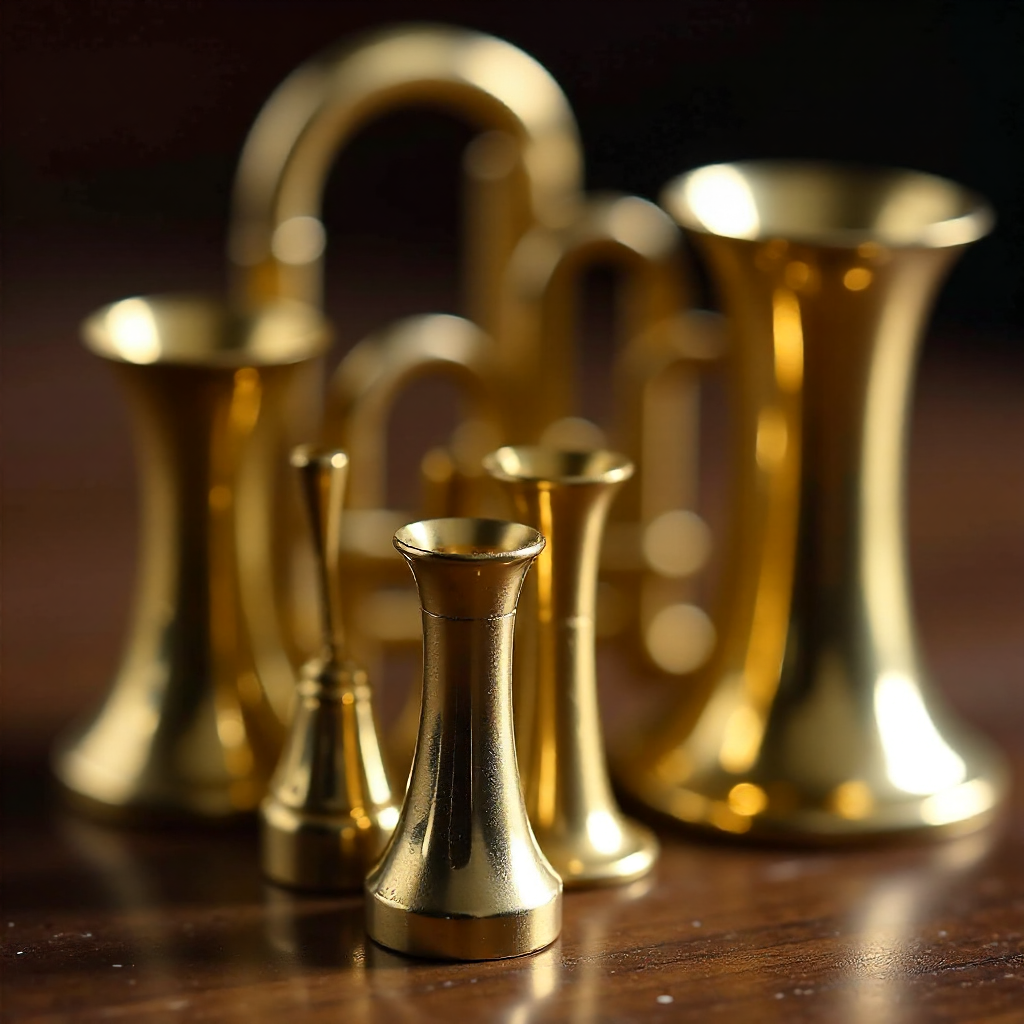
The five instruments you'll encounter most often as a beginner are the trumpet, trombone, French horn, euphonium, and tuba. Each has a distinct voice and a distinct role.
- Trumpet — The most recognisable brass instrument. It sits in the upper register, cuts through any ensemble, and leads melodic lines in most brass bands. Compact, valve-operated, and widely taught.
- Trombone — The only common brass instrument that uses a slide instead of valves. It produces a rich, powerful tone across a wide range. Slightly more physical to play, but very satisfying once the slide positions click.
- French Horn — The most complex of the five. It has a famously warm, rounded tone and is prized in orchestras and concert bands. The mouthpiece is small, the technique is demanding, and the learning curve is real.
- Euphonium — Often called the "cello of the brass band." It sits in the mid-low register, uses valves, and has a warm, lyrical sound. Underrated as a beginner instrument, and genuinely one of the most rewarding to play in a band setting.
- Tuba / Sousaphone — The foundation of any brass ensemble. The tuba plays the bass line, requires significant lung capacity, and is physically the largest instrument. The sousaphone is its marching band cousin, worn over the shoulder.
Physical Factors That Influence Your Choice
Your body matters when choosing a brass instrument. Embouchure — the way you shape your lips and facial muscles against the mouthpiece — varies significantly across instruments, and some setups suit certain face shapes and lip structures better than others.
Trumpet and French horn use smaller mouthpieces, which require more precision and muscular control. Trombone, euphonium, and tuba use larger mouthpieces, which are generally more forgiving for beginners producing their first sounds. Many teachers note that players with fuller lips often find larger-bore instruments more comfortable initially.
Arm length matters for trombone — younger children (under 9 or 10) often can't reach the outer slide positions without an extension handle. Hand size affects how comfortably you manage valves on trumpet or euphonium. And lung capacity is the hidden factor: tuba demands more air volume than any other instrument, which can be tiring for smaller players.
Age is worth considering honestly. Children aged 7–10 tend to do well starting on trumpet or cornet (a slightly smaller trumpet variant common in brass bands). Euphonium suits older children and adults well. Tuba is typically recommended for teenagers and adults who have the physical build to support it.
Which Brass Instrument Is Easiest for Beginners?
The trumpet and the euphonium are generally the most beginner-friendly brass instruments, though for different reasons. Neither is "easy" — but both give new players a reasonable chance of producing a decent sound within the first few sessions.
Trumpet wins on accessibility: it's compact, widely taught, and has an enormous library of beginner resources. The downside is that the small mouthpiece is less forgiving — if your embouchure is off, the trumpet will tell you immediately.
Euphonium is the quiet achiever of the beginner world. The larger mouthpiece makes early tone production more achievable, the valve system is logical, and the instrument sits comfortably in the lap. It's also genuinely in demand in brass bands, which means you're likely to find a place in an ensemble sooner than you might on trumpet.
Trombone sits in the middle — the slide requires spatial memory and good ear training to hit pitches accurately, but the larger mouthpiece helps with initial sound production. French horn is widely considered the most challenging brass instrument to learn from scratch. It's not impossible for a beginner, but it demands more patience and ideally a specialist teacher.
Matching the Instrument to Your Goals and Setting
The instrument that suits you depends heavily on what you want to do with it. If joining a local brass band is your goal, think about what sections that band actually needs.
Most brass bands are well-stocked with trumpet (or cornet) players and often have gaps in lower brass — euphonium, baritone, and tuba. If you're flexible about which instrument you play, asking your local band what they need can be a genuinely smart move. You'll integrate faster, get more playing time, and feel like a valued member sooner.
If you want to play solo or explore music more broadly, trumpet and French horn carry strong solo repertoires. If you love the idea of anchoring an ensemble and providing the harmonic foundation, tuba or euphonium will be deeply satisfying once you're up and running.
The brass band context is worth taking seriously as a motivator. Playing in a group — even as a beginner — accelerates learning dramatically. The social element keeps people going through the frustrating early weeks in a way that solo practice rarely does.
Budget, Rental, and First Steps
For most beginners, renting before buying is the sensible approach. Starter instruments vary widely in quality, and committing to a purchase before you've confirmed the instrument fits you is a risk that's easy to avoid.
Many music shops and brass band organisations offer rental schemes, often with the option to put rental payments toward a purchase later. This is particularly common in the UK, where the brass band tradition runs deep and community bands sometimes have instruments available to loan to new members at low or no cost.
If you do buy, avoid the cheapest no-brand instruments sold online — they often have intonation problems and mechanical issues that make learning harder. A decent beginner trumpet or euphonium from a reputable manufacturer will cost more upfront but will genuinely support your progress rather than hinder it. Your local brass band or a music teacher can point you toward reliable options.
Lessons matter. Even a handful of sessions with an experienced brass teacher in the early weeks will set your embouchure correctly and prevent habits that are painful to unlearn later.
Tips for Making Your Final Decision
Before you commit, do these three things:
- Try before you decide. Visit a music shop and ask to hold each instrument. Feel the weight, try the mouthpiece, see what feels natural. Many shops will let you attempt a basic sound — don't be embarrassed, every player started exactly there.
- Talk to a local brass band. Attend a rehearsal as a visitor. Most brass bands actively welcome beginners and will give you honest, experience-based advice about which instrument suits the group and suits you.
- Consult a teacher before buying. A 30-minute assessment with a brass teacher can save you months of frustration. They can assess your embouchure potential, physical fit, and musical goals — and give you a recommendation grounded in what they've seen work.
There's no perfect instrument, only the right one for where you are right now. Most brass players eventually develop opinions about instruments they'd love to try next. The important thing is to start — pick something that fits reasonably well, commit to the early weeks, and let the music take over from there.
Frequently Asked Questions
What is the easiest brass instrument to learn for a complete beginner?
The euphonium and trumpet are the most accessible starting points. The euphonium's larger mouthpiece makes early sound production more forgiving, while the trumpet benefits from an abundance of teaching resources and beginner-friendly method books.
Can children play all brass instruments, or are some better suited to younger players?
Not all brass instruments are physically suitable for young children. Trumpet and cornet work well from around age 7–8. Trombone requires longer arms, so it's better suited to children aged 10 and up. Tuba and euphonium are generally recommended from age 11–12 onwards, depending on the child's size and lung capacity.
Is it better to rent or buy a brass instrument when starting out?
Renting is almost always the better first step. It lets you confirm the instrument is a good fit before committing financially, and many rental agreements allow payments to count toward a future purchase. Some local brass bands also loan instruments to new members.
Do I need to read music before joining a brass band?
No — many brass bands accept complete beginners and teach notation as part of the learning process. That said, learning basic music reading alongside your instrument will speed up your progress considerably. Your band director or teacher can recommend beginner resources.
How long does it take to produce a good sound on a brass instrument?
Most beginners can produce a recognisable, controlled tone within four to eight weeks of consistent practice. A genuinely pleasing sound — one you'd want to share — typically develops over three to six months. Embouchure strength builds gradually, so patience and regular short practice sessions matter more than occasional long ones.