Step-by-Step Guide to Forming Your Own Brass Band
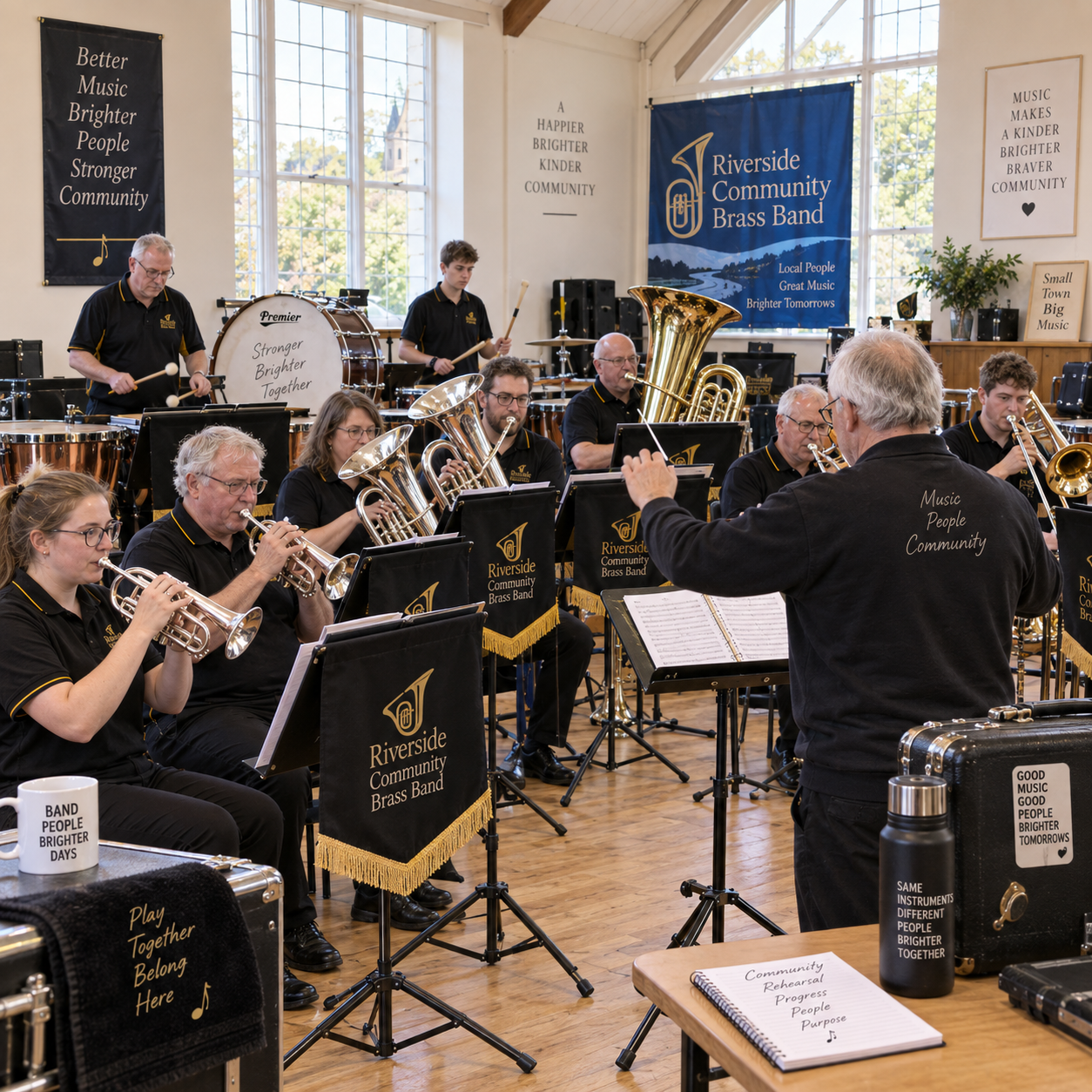
Forming your own brass band is a practical way to bring musicians together around concerts, parades, community events, education, or competition. You do not need a large budget or a perfect roster on day one. A clear purpose, welcoming culture, reliable communication, and a realistic first goal will carry the project much further.
Define Your Brass Band’s Purpose and Style
A brass band needs a clear purpose before it recruits players or buys equipment. Decide who the band serves, where it will perform, and what musical experience you want members and audiences to have.
Start with a short founding statement. For example: We are a community brass band that performs accessible music at local festivals and charitable events. This sentence helps guide later decisions about instrumentation, rehearsal schedule, musical repertoire, and finances.
Choose a practical musical direction
- Concert band: Plan seated performances with varied repertoire, including marches, film music, arrangements, and original brass works.
- Parade band: Prioritize portable equipment, marching stamina, strong rhythm, and music that remains effective outdoors.
- Community band: Make participation and social connection central, with flexible parts for different experience levels.
- School or youth band: Build in structured tuition, safeguarding procedures, and age-appropriate arrangements.
- Competition band: Add a longer-term development plan, specialist coaching, and repertoire suited to the relevant contest rules.
Choose one primary purpose for the first six months. A band can eventually do several kinds of work, but trying to prepare a parade set, a formal concert, and competition repertoire simultaneously can overwhelm new members. Define success with a measurable first milestone, such as performing a 30-minute program at a community event within four months.
Choose the Band’s Size, Instrumentation, and Roles
The right brass band size depends on your available musicians, performance setting, and desired sound. A small group of 8 to 15 players can begin successfully, while a fuller ensemble may include 20 or more brass and percussion musicians.
Traditional British-style brass band instrumentation often includes cornets, tenor horns, baritones, trombones, euphoniums, basses or tubas, and percussion. Other community ensembles may use trumpet, French horn, sousaphone, or a mixed brass arrangement. There is no single valid model for every school, neighborhood, parade, or concert project.
Build around the players you can actually recruit
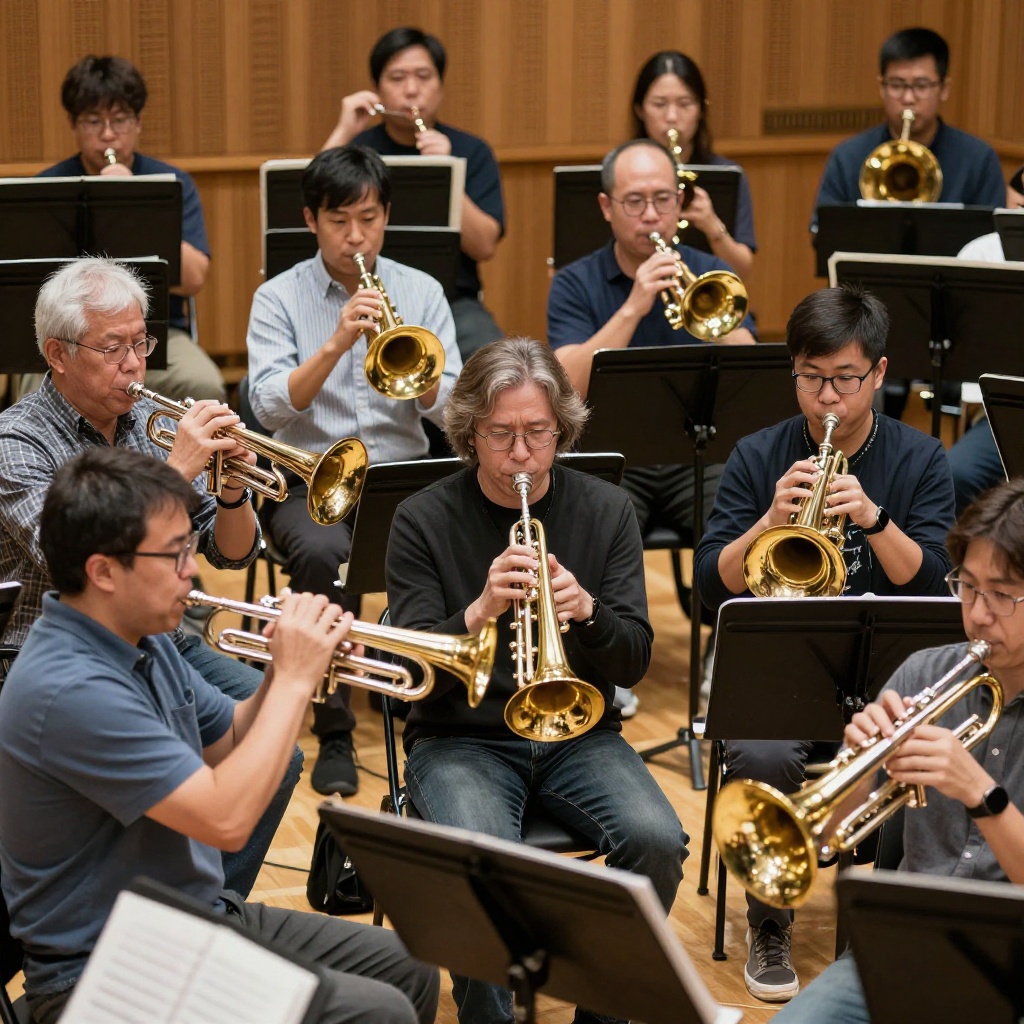
- High brass: Cornet or trumpet players provide melody, brilliance, and musical leadership within the section.
- Middle brass: Tenor horn, French horn, and baritone parts connect the upper and lower registers.
- Low brass: Euphonium, trombone, tuba, or sousaphone players supply harmony, bass movement, weight, and rhythmic definition.
- Percussion section: Snare drum, bass drum, cymbals, timpani, and auxiliary percussion add pulse, color, and dramatic emphasis.
Assign a bandleader or conductor early. This person may conduct rehearsals, select music, communicate expectations, or coordinate performances. In a volunteer band, divide administration among a chairperson, treasurer, librarian, equipment coordinator, and events contact rather than placing every task on one musician.
Make a simple roster spreadsheet with each player’s instrument, reading ability, availability, preferred section, and backup instrument. This exposes gaps quickly. If you have six cornets but no tuba, recruit low brass before adding another melody player.
Recruit Musicians and Build the Initial Group
To recruit musicians for a new brass band, combine personal invitations with community outreach and make the joining process low-pressure. People are more likely to attend when they know the expected skill level, rehearsal time, location, and musical purpose.
Contact local schools, music services, colleges, churches, community centers, instrument teachers, existing ensembles, and online musician groups. A short notice should state the instruments needed, whether beginners are welcome, whether instruments can be borrowed, and whether the first meeting is an informal trial.
Create an inclusive joining process
For a community or amateur brass band, a formal audition may discourage capable players who have been away from music. Begin with a friendly sectional check or brief conversation. Ask players to perform a comfortable scale, a short excerpt, or a simple melody. The aim is to place people safely and musically, not to eliminate them.
For youth or advanced groups, a more structured audition can be appropriate. Explain the criteria in advance: tone, rhythm, reading, attendance, and willingness to collaborate. Keep parts available at more than one difficulty level so a returning player can contribute while rebuilding confidence.
Recruit for reliability as well as technique. A player who attends consistently and listens well may be more valuable during the first year than a highly skilled musician who rarely appears. Publish a code of conduct covering punctuality, respectful feedback, instrument care, safeguarding where relevant, and communication about absences.
Secure Instruments, Music, and Essential Equipment
A new brass band needs playable instruments, readable sheet music, sturdy stands, percussion equipment, and a safe place to store them. Begin with essential resources and delay expensive upgrades until regular rehearsals reveal what the ensemble actually lacks.
Inventory what members already own before purchasing anything. Schools, music services, and local organizations may loan instruments, while second-hand dealers can provide affordable options. Check valves, slides, water keys, corks, cases, and general playability before accepting used brass instruments. A qualified repair technician should inspect instruments with serious mechanical problems.
Use an equipment checklist
- Cornets, trumpets, trombones, euphoniums, tubas, and other chosen brass instruments
- Snare drum, bass drum, cymbals, mallets, stands, and percussion accessories
- Music stands, folders, pencils, spare valve oil, slide grease, and cleaning equipment
- Chairs, adequate lighting, percussion risers if needed, and a secure storage solution
- Printed or licensed digital sheet music, attendance records, and a master library catalog
Budget in categories: instrument access, rehearsal venue, music licensing or purchases, insurance, repairs, transport, and promotion. Ask members for modest regular dues only after explaining where the money goes. Fundraising, grants, sponsorship from local businesses, and performance fees can reduce pressure, but each source takes administration. Keep financial records from the first month.
When selecting music, confirm that the arrangement matches your forces. A technically demanding piece can consume several weeks of rehearsal and still sound incomplete if key sections are missing. Accessible music that the band performs confidently will usually serve a debut better than ambitious repertoire that remains unfinished.
Establish Rehearsals and Musical Leadership
Set a consistent rehearsal schedule and appoint clear musical leadership before the first public performance. Most developing bands benefit from one weekly rehearsal of 90 to 120 minutes, with occasional sectionals or longer sessions before an event.
A useful rehearsal follows a predictable sequence:
- Arrival and setup: Allow 10 minutes for chairs, stands, instruments, and attendance.
- Warm-up: Use breathing, long tones, lip flexibility, scales, and simple chorales to develop sound and listening.
- Technical focus: Address rhythm, articulation, balance, tuning, or difficult transitions.
- Repertoire work: Rehearse short passages with a specific objective rather than repeatedly playing the entire piece.
- Run-through and notes: Finish with a complete section or piece, then record concise action points for the next rehearsal.
The conductor or bandleader should give instructions that players can act on: “trombones, lighter at bar 24” is more useful than “make it better.” Encourage section leaders to mark breathing, dynamics, entrances, and fingering suggestions in the music.
Share a calendar at least one month ahead. Use one communication channel for urgent notices and another location for music, schedules, and policies. Attendance problems often come from unclear information rather than lack of commitment. At the same time, avoid scheduling so many rehearsals that volunteers burn out.
Select Repertoire and Prepare for Your First Performance
Choose musical repertoire that matches your current players, rehearsal time, audience, and venue. A first program should contain several pieces the band can perform securely, with enough variety to maintain interest.
Use a simple program balance:
- An opening march, fanfare, or energetic ensemble piece
- A lyrical work that develops tone, blend, and expressive playing
- A recognizable arrangement that connects with the audience
- A feature for a section or soloist, if the players are ready
- A confident closing number with clear rhythmic energy
Choose music by applying the three-fit test: does it fit the instrumentation, the player ability, and the event? If one answer is no, adapt the arrangement, postpone the piece, or select an alternative. Check licensing requirements before copying or distributing sheet music; organizations such as the U.S. Copyright Office provide general copyright information, although local licensing rules may differ.
Work backward from the performance date. Six to eight weeks can provide a reasonable preparation window for a short beginner-friendly program, provided attendance is steady. Set milestones for learning notes, assembling sections, playing without stops, rehearsing entrances and endings, and completing a full dress rehearsal.
Visit the venue before the event. Confirm seating, power, lighting, audience layout, transport access, toilets, weather arrangements, and sound conditions. Outdoor brass playing requires attention to sun, cold, wind, and hearing safety. Nominate someone to manage setup so musicians can concentrate on performing.
Create a Sustainable Plan for Growth
A sustainable brass band retains members by offering musical progress, social connection, dependable organization, and achievable performance opportunities. Review the project after each event and turn feedback into a short action plan.
Protect the band’s long-term health
- Membership: Welcome newcomers, provide mentoring, and keep a contact list of potential substitutes.
- Player development: Offer sectionals, masterclasses, sight-reading practice, and occasional individual goals.
- Finances: Maintain a monthly budget, reserve money for repairs, and approve major purchases collectively.
- Promotion: Use posters, local listings, social media, school newsletters, and short performance videos with appropriate permissions.
- Performance pathway: Progress from informal sharing to community events, ticketed concerts, festivals, parades, or competitions.
- Repertoire: Add music gradually, retire pieces that no longer serve the band, and preserve successful arrangements in an organized library.
Watch for three common formation mistakes. First, recruiting only high brass because those instruments are easiest to notice can leave the ensemble without a stable foundation; actively seek euphonium, trombone, and tuba players. Second, choosing repertoire for ambition rather than readiness can waste weeks; use the three-fit test and keep a simpler substitute. Third, relying on one organizer creates a single point of failure; distribute administration before fatigue becomes a crisis.
Schedule a review every three months. Ask what improved, which rehearsals worked, where money went, and what members want next. Growth may mean adding instruments, improving intonation, attracting younger players, or simply performing more confidently. A brass band becomes durable when its musical aims and its organizational habits develop together.
Frequently Asked Questions
How many players are needed to form a brass band?
A small brass band can begin with approximately 8 to 15 players if the parts are arranged carefully. A fuller ensemble may include 20 or more musicians. The essential principle is balance across melody, harmony, bass, and percussion rather than reaching one fixed number.
Which instruments should a new brass band include?
Start with the instruments you can support reliably: cornets or trumpets, trombones, euphonium, tuba or another bass instrument, and percussion. Add tenor horn, baritone, French horn, or auxiliary percussion as recruitment and repertoire expand.
How can I recruit musicians for a community brass band?
Invite players through schools, teachers, community organizations, local ensembles, social media, and personal contacts. State the rehearsal time, location, ability level, instruments needed, and whether beginners or returning players are welcome.
What equipment does a new brass band need?
The basic equipment includes playable brass instruments, percussion gear, music stands, sheet music, folders, pencils, maintenance supplies, chairs, lighting, and secure storage. Begin with an inventory and purchase only the highest-priority gaps.
How often should a brass band rehearse?
One regular rehearsal each week, lasting 90 to 120 minutes, is a practical starting point. Add sectionals or extra rehearsals before major performances, but protect volunteer energy by publishing dates early and keeping every session focused.