The Role of Brass in Classical vs. Modern Music
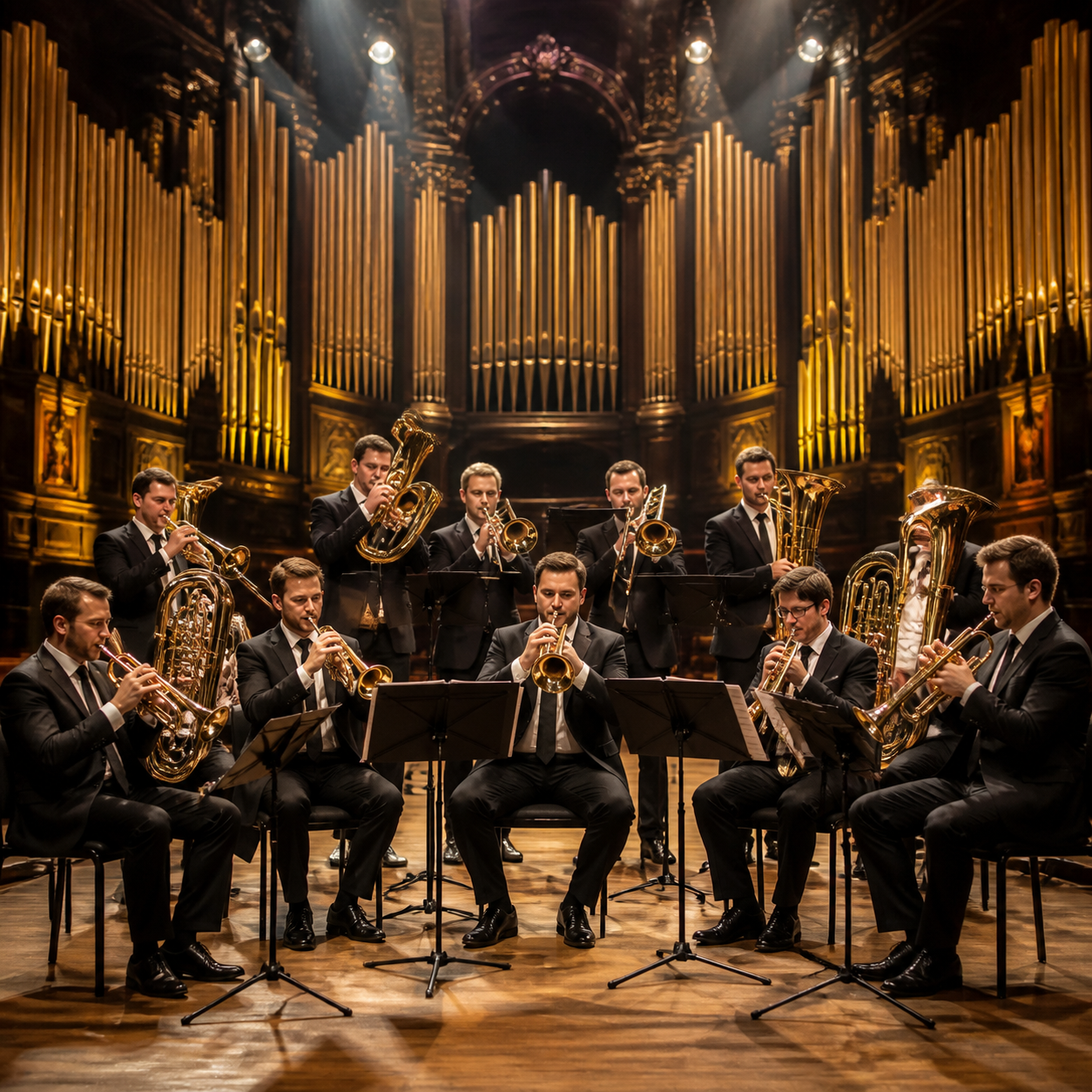
Brass instruments have always carried a distinctive musical authority. A French horn can create warmth and distance, a trumpet can cut through a full orchestra, and a tuba can give an ensemble weight that listeners feel as much as hear. Across classical music and modern music, brass serves many purposes: supporting harmony, intensifying rhythm, shaping timbre, and delivering memorable melodies.
The difference lies less in the instruments themselves than in the musical environment around them. Classical orchestration often treats brass as part of a carefully balanced architecture, while modern arrangement frequently uses brass for immediate energy, color, and impact. The brass band sits between these worlds, preserving traditional technique while embracing contemporary expression.
What “brass” means in classical and modern contexts
Brass instruments are wind instruments that produce sound through the vibration of the player’s lips against a mouthpiece. In most ensembles, the main members are trumpet, trombone, French horn, euphonium, and tuba, although modern arrangements may also include flugelhorn, cornet, sousaphone, and related instruments.
Their role changes according to genre, ensemble, and arrangement. In a symphony orchestra, the brass section usually includes horns, trumpets, trombones, and tuba. In a brass band, cornets, flugelhorns, tenor horns, baritones, trombones, euphoniums, and tubas create a more specialized and closely blended sound. Modern music may select only one or two brass instruments, combine live players with samples, or use a complete horn section.
- Trumpet: bright, focused, and effective for fanfares, melodic hooks, and rhythmic accents.
- Trombone: powerful and flexible, with a strong lower-middle register and expressive glissando potential.
- French horn: rounded and blended, often connecting brass with woodwind and string colors.
- Euphonium and tuba: rich low-brass voices that provide warmth, bass movement, and harmonic authority.
- Cornet and flugelhorn: lyrical brass instruments strongly associated with brass band tradition and softer modern textures.
These instruments can perform melody, harmony, bass lines, or rhythm. Their shared identity comes from the relationship between breath, embouchure, articulation, and resonance, but their musical function depends on the composer or arranger.
Brass in classical music: structure, color, and tradition
In classical music, brass usually contributes structural strength, dramatic color, and harmonic definition within a carefully balanced orchestra. Composers use the brass section to mark formal events, reinforce climaxes, support harmony, and contrast with strings and woodwinds.
Early orchestral brass instruments were limited by natural harmonic systems, so composers often used them for signals, ceremonial passages, and sustained harmonic support. The development of valves expanded the available notes and made melodic writing more practical. This technological change helped the trumpet, French horn, and other instruments move from occasional color to more independent musical roles.
Classical orchestration depends on proportion. A trumpet entrance may be powerful because it follows a quiet string passage, not because it plays constantly. Trombones and tuba often appear at moments of weight or danger, while French horns may blend into the orchestral texture and reinforce inner harmony. The result is a controlled exchange between presence and restraint.
Harmony and dramatic function
Brass frequently strengthens the harmonic foundation of a classical work. Sustained horn chords can fill the middle of an orchestral texture, while trombones and tuba reinforce the bass and make a cadence feel final. In symphonic, operatic, and film-influenced classical writing, brass can also signal conflict, triumph, mystery, or grandeur.
Its timbre is especially valuable because it changes dramatically with register and dynamics. A muted trumpet may sound distant and pointed; an open trumpet can sound ceremonial. A French horn can blend gently with strings or become forceful and heroic in its upper register. The same instrument therefore offers several emotional identities within one composition.
Classical performance also emphasizes precision in balance. Players must follow detailed dynamic markings, match articulations, and fit their sound into the conductor’s interpretation. Choosing brass for orchestral power means accepting a risk: if the section overplays, it can cover important melodic or harmonic material elsewhere in the orchestra.
For an accessible overview of orchestral instrument families and their traditional roles, the orchestra reference entry on Wikipedia provides useful background.
Brass in modern music: energy, texture, and impact
In modern music, brass is often used to add immediate energy, rhythmic definition, distinctive texture, or a memorable melodic hook. Pop, funk, soul, jazz, hip-hop, rock, film music, and electronic production all use brass differently, but they commonly value its ability to make a short musical statement feel large.
A modern horn arrangement may use trumpet, trombone, and saxophone in tightly synchronized figures. The group can answer a singer, punctuate a drum pattern, or repeat a compact riff between vocal lines. Instead of supporting a long symphonic development, the brass may function like a highly visible part of the song’s identity.
Modern producers also treat brass as a recording color. Close microphones can capture breath, key noise, attack, and room ambience. Effects such as compression, delay, reverb, saturation, and pitch processing can place the instrument inside a dense mix. Sample libraries and synthesised brass extend these possibilities, although they may lack the responsive phrasing and natural blend of live players.
Melody, groove, and arrangement
Modern brass does not serve only melody or only rhythm. It often occupies the space between them. A trumpet hook may be melodic in pitch but rhythmic in delivery, while a trombone section may repeat a chord stab that functions almost like percussion.
- Funk and soul: short, syncopated attacks reinforce the groove and create call-and-response with the vocalist.
- Jazz: improvisation, extended harmony, muted colors, and individual phrasing place brass at the center of the musical conversation.
- Pop: layered horn parts add lift to choruses, pre-choruses, and instrumental breaks.
- Hip-hop and electronic music: sampled or recorded brass can create cinematic impact, dramatic transitions, and recognizable loops.
- Modern concert music: composers may explore multiphonics, unusual mutes, extreme registers, and mixed-media textures.
Contemporary writing gives performers more space for personal sound, but that freedom creates a practical challenge. A part designed for a live trombone section may need substantial adaptation when played by samples or overdubbed one instrument at a time. Timing, breath, tuning, and articulation must be reconstructed carefully if the arrangement is to sound like an ensemble.
Key differences in writing and performance
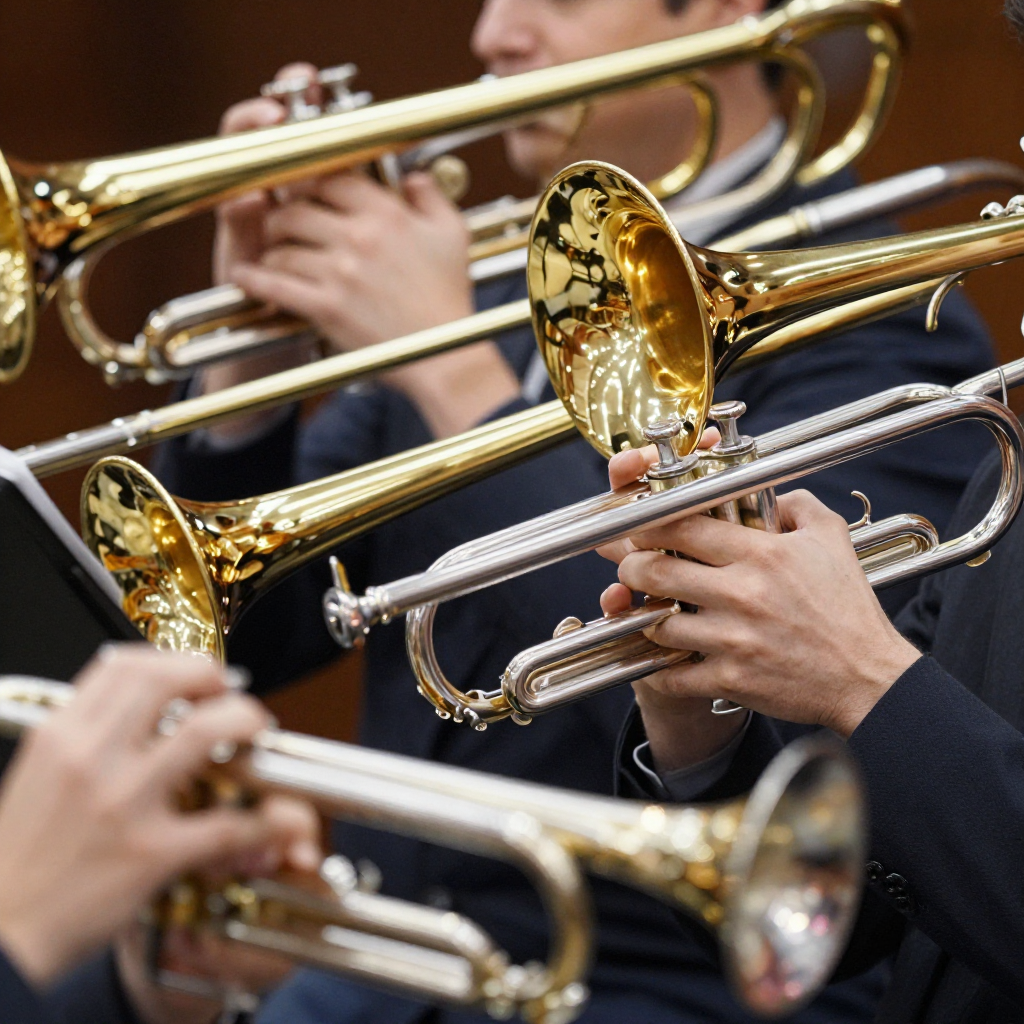
The main difference is that classical brass writing prioritizes orchestral structure and long-range balance, while modern brass writing often prioritizes groove, sonic identity, and immediate impact. Both traditions require accurate harmony, controlled dynamics, and disciplined ensemble playing.
| Musical feature | Classical approach | Modern approach |
|---|---|---|
| Orchestration | Brass is integrated with strings, woodwinds, and percussion. | Brass may stand out as a dedicated horn section or featured layer. |
| Dynamics | Detailed shaping supports form, contrast, and orchestral balance. | Strong accents and compressed levels often create impact in a mix. |
| Articulation | Legato, marcato, staccato, and blended attacks follow the score. | Short punches, falls, shakes, bends, and groove-based attacks are common. |
| Harmony | Brass may reinforce long harmonic progressions and cadences. | Voicings often support riffs, repeated patterns, or dense chord hits. |
| Performance role | Players serve the conductor and the larger formal design. | Players may shape the arrangement through improvisation and personal tone. |
Classical players generally read a fixed score with carefully specified phrasing. Modern players may receive a lead sheet, a chord chart, a recorded reference, or a partly written arrangement. This affects rehearsal. An orchestral brass section may spend time balancing a sustained chord across the ensemble, while a commercial horn section may focus on matching a two-second accent with the drummer and rhythm section.
There is overlap, of course. Contemporary classical composers use groove, amplification, and extended techniques, while jazz and popular brass players study classical breath control, blend, and projection. The boundaries are useful for comparison, but they are not walls.
The brass band perspective
A brass band bridges classical tradition and modern expression by combining disciplined ensemble technique with a concentrated brass sound. Its instrumentation places brass at the center of the musical texture, allowing players to explore harmony, melody, rhythm, and color without relying on a full orchestra.
Traditional brass bands developed a strong culture of community performance, contest playing, marches, religious music, and concert repertoire. Their sound depends on careful balance: cornets may carry the principal melody, horns and baritones fill inner harmony, trombones add clarity and weight, and euphoniums and tubas support the lower foundation.
This structure resembles classical orchestration in its attention to voicing and balance. A conductor must shape the full ensemble as one instrument, controlling the relationship between melody, countermelody, bass, and accompaniment. At the same time, brass bands readily embrace modern repertoire, film themes, crossover arrangements, contemporary concert works, and popular music.
Why brass bands connect both traditions
The brass band perspective is useful because it makes the comparison tangible. Players learn classical values such as intonation, blend, breath support, score awareness, and dynamic control. They also encounter modern demands such as rhythmic precision, flexible tone, amplified performance, and arrangements built around a strong hook.
A successful arrangement usually follows a simple three-part test:
- Clarity: can listeners identify the melody and main rhythmic idea?
- Balance: does every brass section support the texture without masking another part?
- Character: does the chosen articulation and timbre suit the musical style?
For example, a brass band arrangement of a modern song might preserve the vocal melody in the cornets, transfer the bass line to euphoniums and tubas, and use trombones for rhythmic punctuation. The harmony remains carefully voiced, but the performance can still use contemporary accents and a powerful backbeat.
Why brass remains essential across genres
Brass remains essential because its instruments can combine melodic clarity, harmonic weight, rhythmic force, and expressive timbre in a single ensemble. That combination works in a symphony orchestra, a brass band, a jazz group, a studio horn section, or a modern concert production.
Classical music demonstrates brass’s ability to shape large-scale form. Modern music shows how quickly the same instruments can establish mood and identity. A sustained French horn chord, a bright trumpet refrain, and a low trombone accent may sound unrelated, yet each depends on controlled breath, deliberate articulation, and an understanding of how timbre occupies musical space.
The most useful way to compare the two traditions is to ask what the arrangement needs. If the music requires architectural support, brass may reinforce harmony and orchestral structure. If it needs a hook, a groove, or a dramatic entrance, brass can move to the foreground. Choosing one role often means giving up another: a louder, brighter sound creates excitement but may reduce blend, while a softer blended part preserves depth but may disappear in a dense modern mix.
That flexibility explains the instrument family’s longevity. Brass can sound ceremonial, intimate, aggressive, mournful, playful, or futuristic. In the hands of a skilled player and thoughtful arranger, it remains one of music’s clearest ways to turn breath into presence.
Frequently asked questions
How is brass used differently in classical and modern music?
Classical music often uses brass to support orchestral structure, harmony, dramatic climaxes, and color. Modern music frequently uses brass for rhythmic hooks, punchy accents, vocal responses, and distinctive production textures. The same trumpet or trombone can perform either role depending on the arrangement.
Why is brass important in a brass band?
Brass is important in a brass band because it supplies every major musical layer: melody, countermelody, harmony, rhythm, and bass. The ensemble’s identity depends on the blend between cornets, horns, baritones, trombones, euphoniums, and tubas.
Which brass instruments are most common in each style?
Classical orchestras commonly use French horns, trumpets, trombones, and tuba. Brass bands typically feature cornets, flugelhorn, tenor horns, baritones, trombones, euphoniums, and tubas. Modern arrangements may use any combination, often selecting instruments for their register and timbre.
Does modern music use brass mainly for melody or rhythm?
Modern music uses brass for both melody and rhythm. A horn line can carry a memorable tune while its accents, syncopation, and repeated figures reinforce the groove. Many effective arrangements deliberately combine melodic pitch with percussion-like timing.